Humber College
Improving Acquiring a Parking Permit and its Usages
TIMELINE12 Weeks
Sept - Dec 24
DELIVERABLESE-commerce website & mobile gate access redesign
ROLEService Designer, UX Designer, UI Designer
METHODSService Audit, Employee Interviews (2), Student Interviews (4), Co-Creation Workshop
CONTEXTHumber Polytechnic is a premier publicly funded post-secondary institution based in Toronto, Ontario, Canada
PROBLEMStudents face challenges when purchasing and using parking permits - from missing time-limited sales to navigating an unreliable third-party system
iNSIGHTThe permit process is built around institutional convenience, not student needs. Poor communication, rigid payment structure, and a fragmented digital experience create unnecessary friction at every stage of the journey.
HOW MIGHT WE
How might we address the challenges students face when purchasing and using parking permits at Humber?
THE SOLUTION
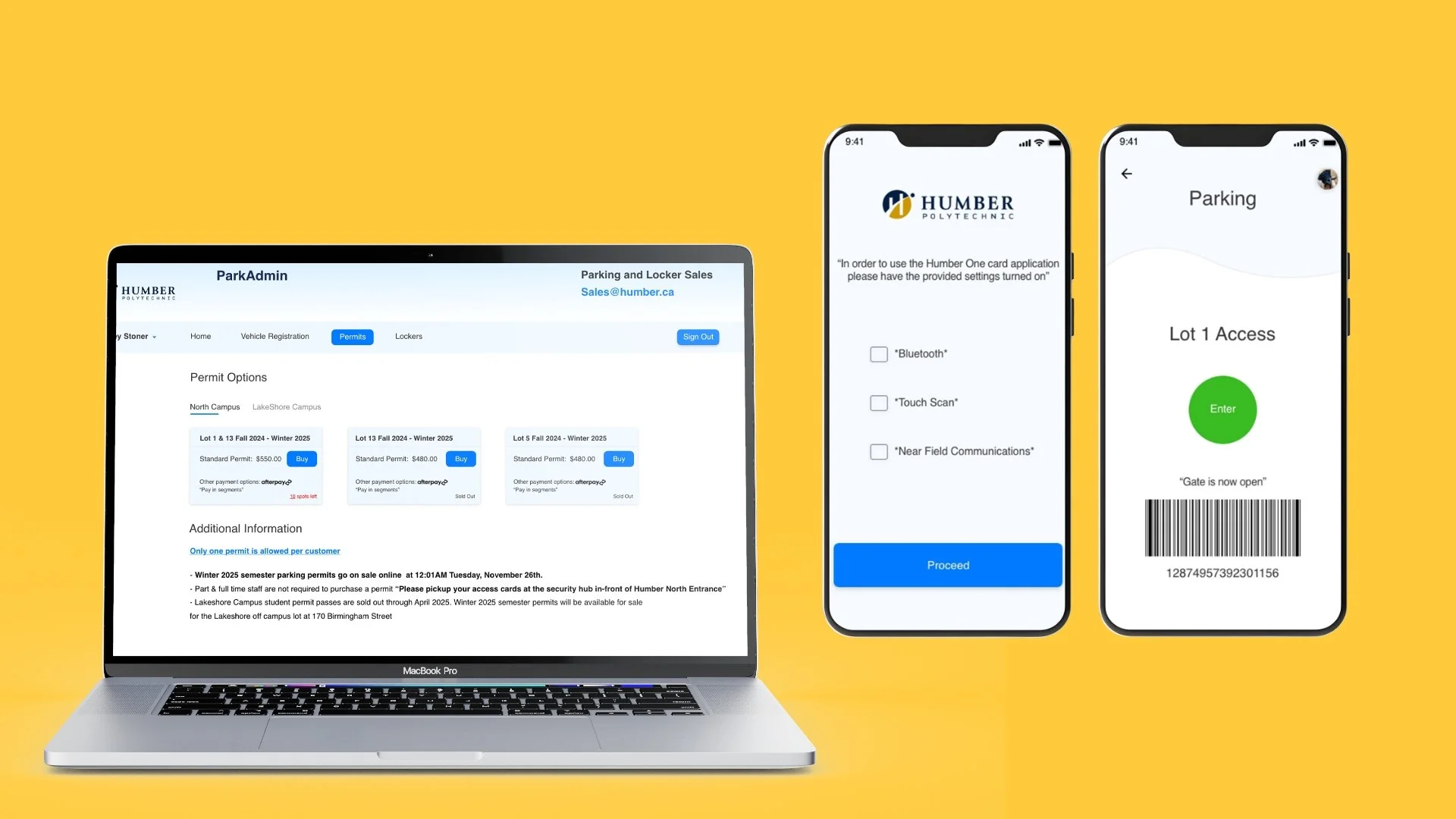
A redesigned parking permit system with timely sales alerts, flexible payment options, alumni permit transfers, and streamlined contactless gate entry
SUMMARY
Overview of Research Findings
3 main problems were found through out the permit acquisition process, including both the physical and digital space
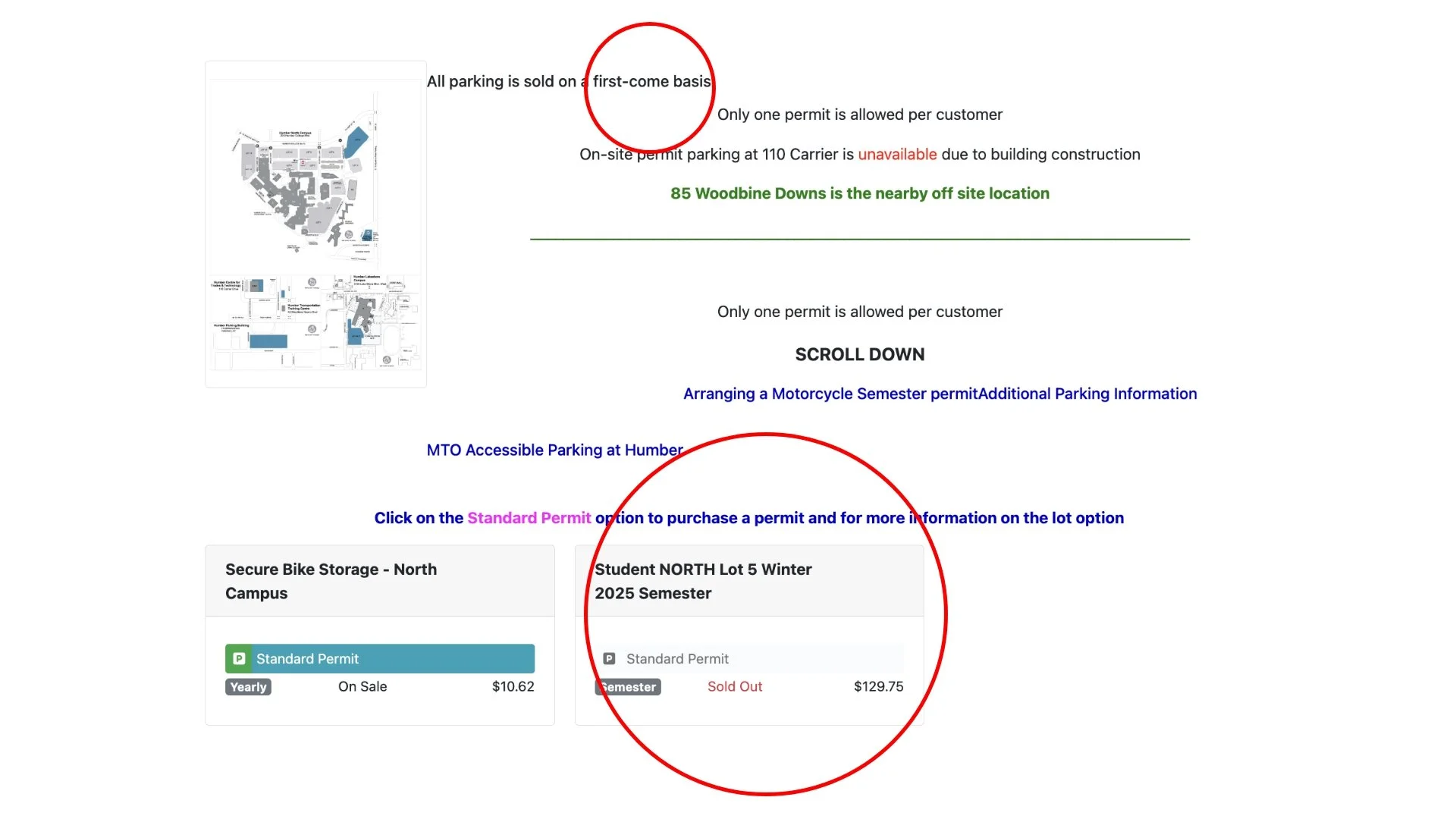
Lack of AwarenessFuture permit holder miss out on acquisition due to first come basis
No notification system to alert users about permit sales
No system in place for permit holders to troubleshoot issues
Inaccessible PracticesPermits are not usable across campuses nor are different vehicle types
Acquiring a permit is done through a third party business
Restricted payment option (Expensive)
Non-User Friendly AppApplication (OneCard) is not responsive to user inputs
No clear visible user path
No area for troubleshooting
What was the Process?
Research to Design
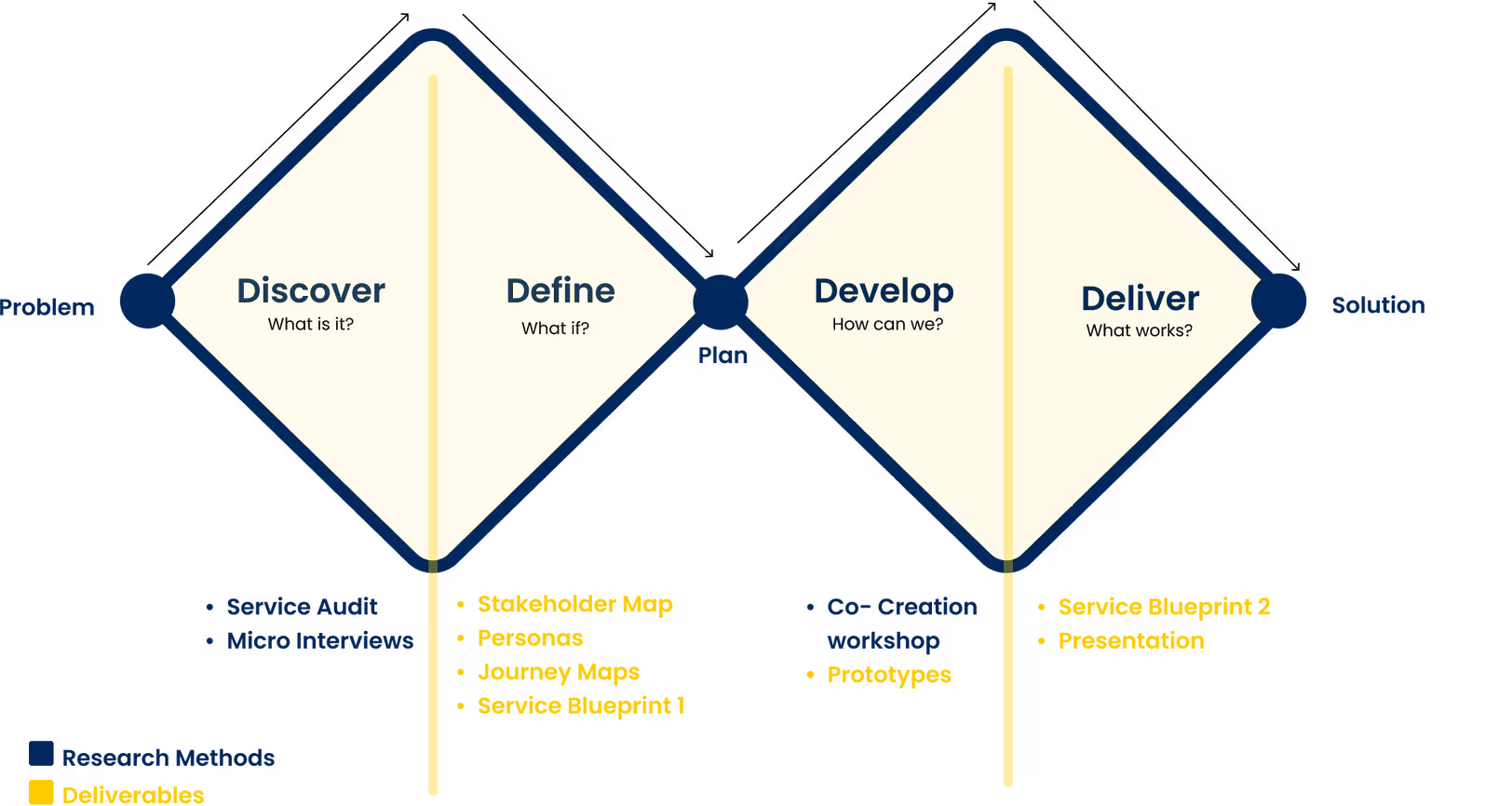
DiscoverConducting Research
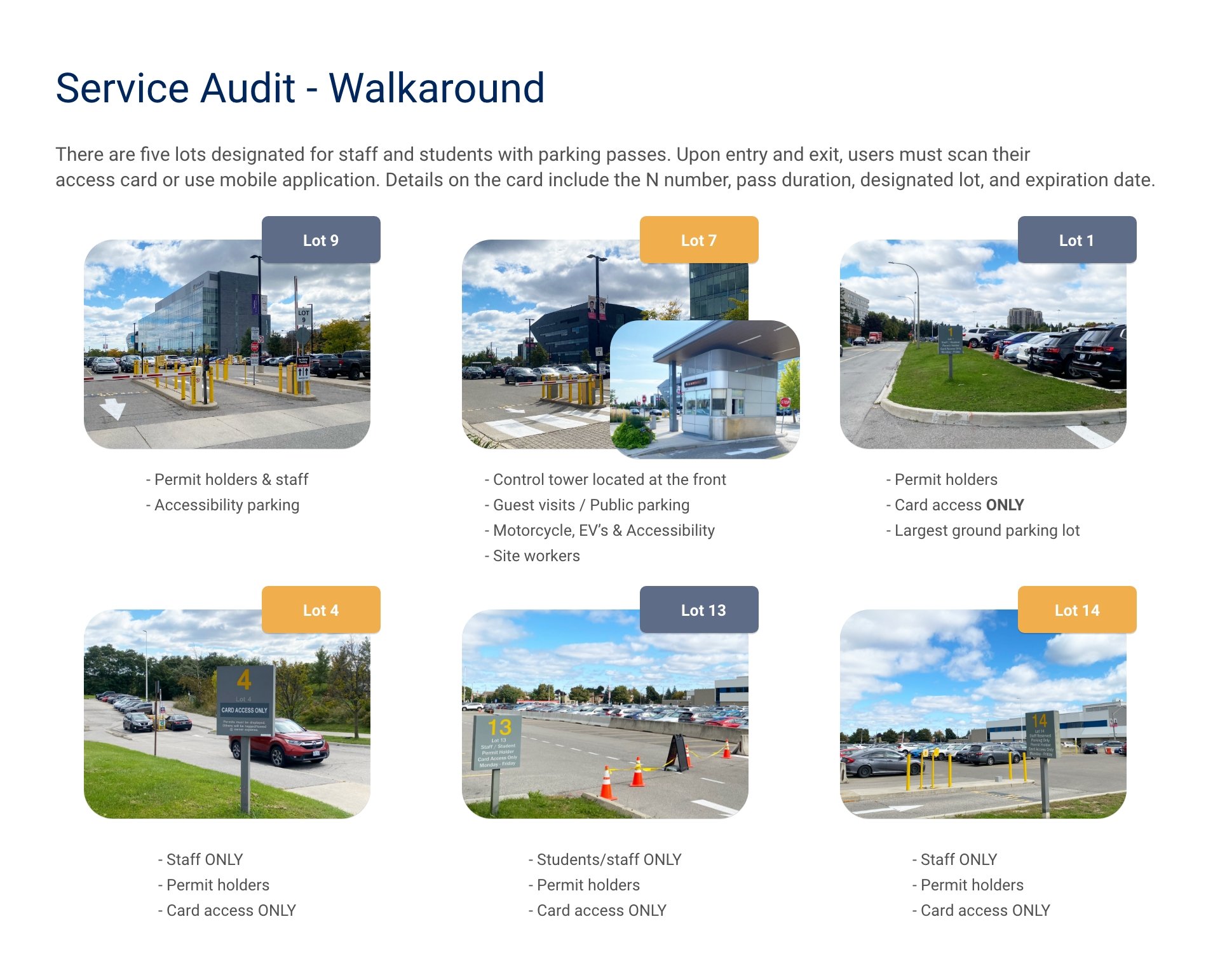
I began with conducting a service audit for two primary purposes: to observe users in their environment and gain deeper insight into pain points. Afterwards, I conducted 10 micro interviews with the staff and students, as a result the following benefits are:
Benefits
Offers a unique perspective and insights into the context and environment
Builds empathy through observation of user attitudes and actions
Gains insights into users behaviours and needs
Able to validate assumptions between users and business goals
Front End: Students
Identify problem areas users face when acquiring a permit or gaining access
Evaluate areas of improvement that would benefit permit holders
Analyze what services are offered by Precise-ParkLink most and least used by permit users.
Mid: Mobile Parking Staff
Evaluate how well the current system impacts the user-experience
Examine the frequency of users experiencing issues gaining access into permit lots
Analyze if users report feeling unsure how to use their permit
Back-End: Control Tower
Identify the key responsibilities and daily task of control tower supervisors and guards
Examine the areas where most frequent problems arise
Evaluate the areas within the permit experience that could benefit from improvements
Problem #1 Lack of Awareness
No system in place to inform drivers about permit purchases.
Why is this a problem?
Impacts new alumni not aware of service offering
Prioritizing those that know how about the service
Feelings of frustration and lack of trust
Problem #2 In-Accessible Practices
Park-Link, the company responsible for the distribution of permits operates on a first come basis, doesn’t list all lots and prices can exceed $500 a semester.
Why is this a problem?
No way for users to know when a lot has available spots
Users have to rely on word of mouth from alumni
Users miss out due to high price
Users feel mislead of service offerings
Problem #3 Non-UserFriendly Application (Avro)
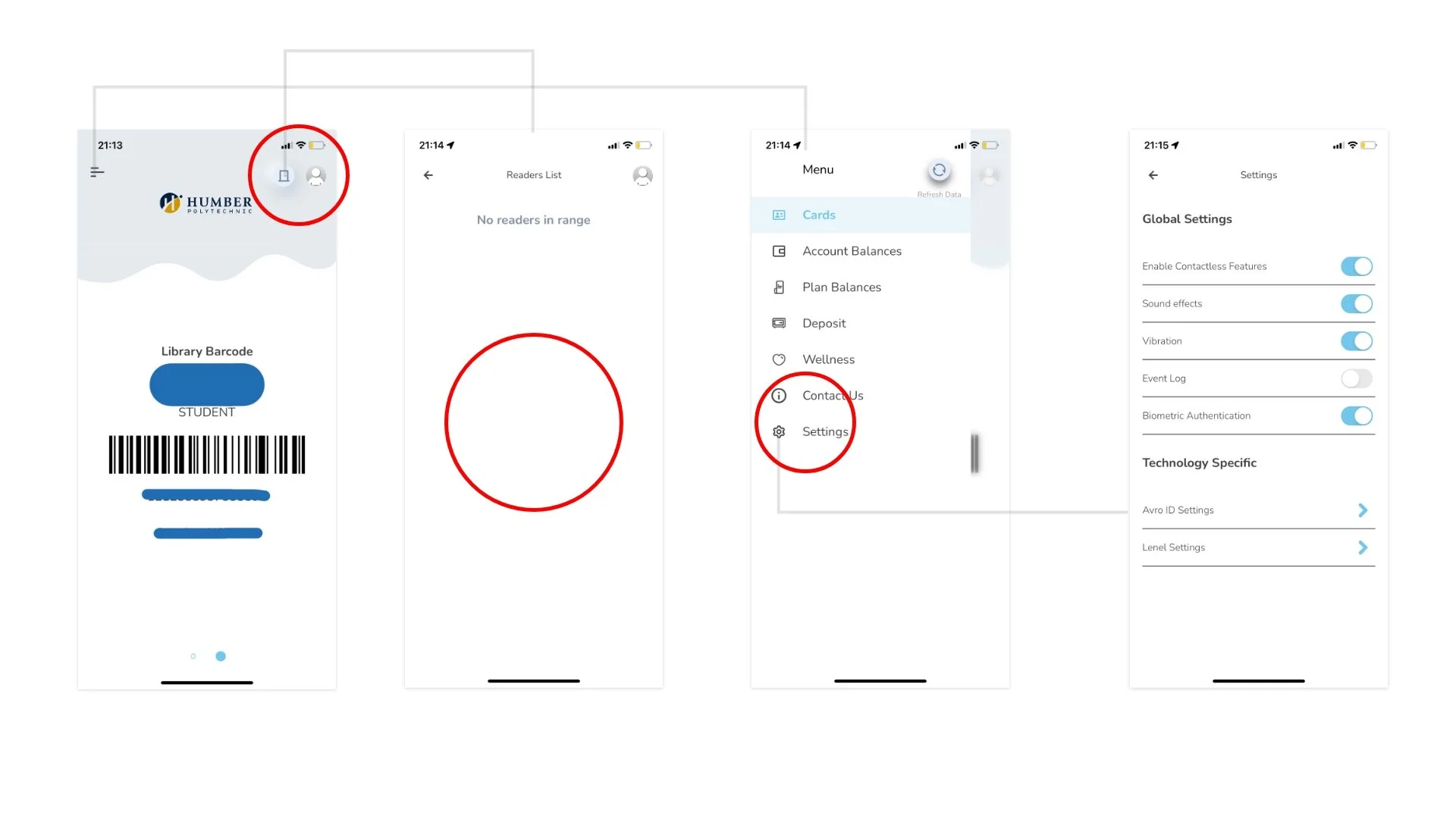
Many users reported issues gaining access due to mobile settings, while the application isn’t responsive to user inputs resulting in confusion.
Why does this happen?
Lack of visual hierarchy
Lack of application instructions
Design assumes user knowledge
Key note: Humber Polytechnic no longer provides physical access cards for new customers. Existing users with physical cards do not experience the same access challenges as new users relying on the mobile system.
Understanding the Entire Service
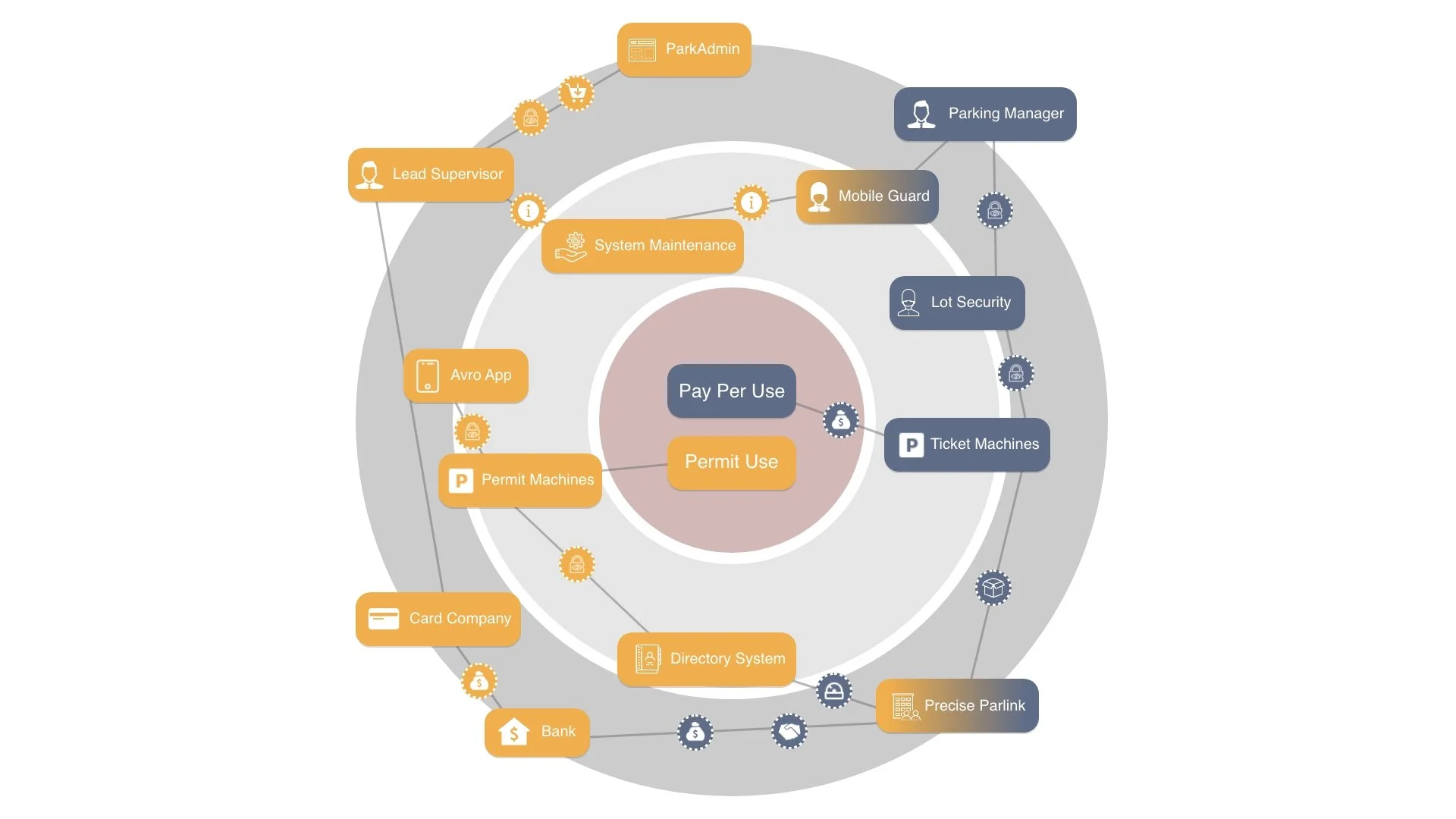
Using these insights, a stakeholder map was created to better understand all the stakeholders involved, how they’re connected and how these problems may affect them.
Who are we Designing for?
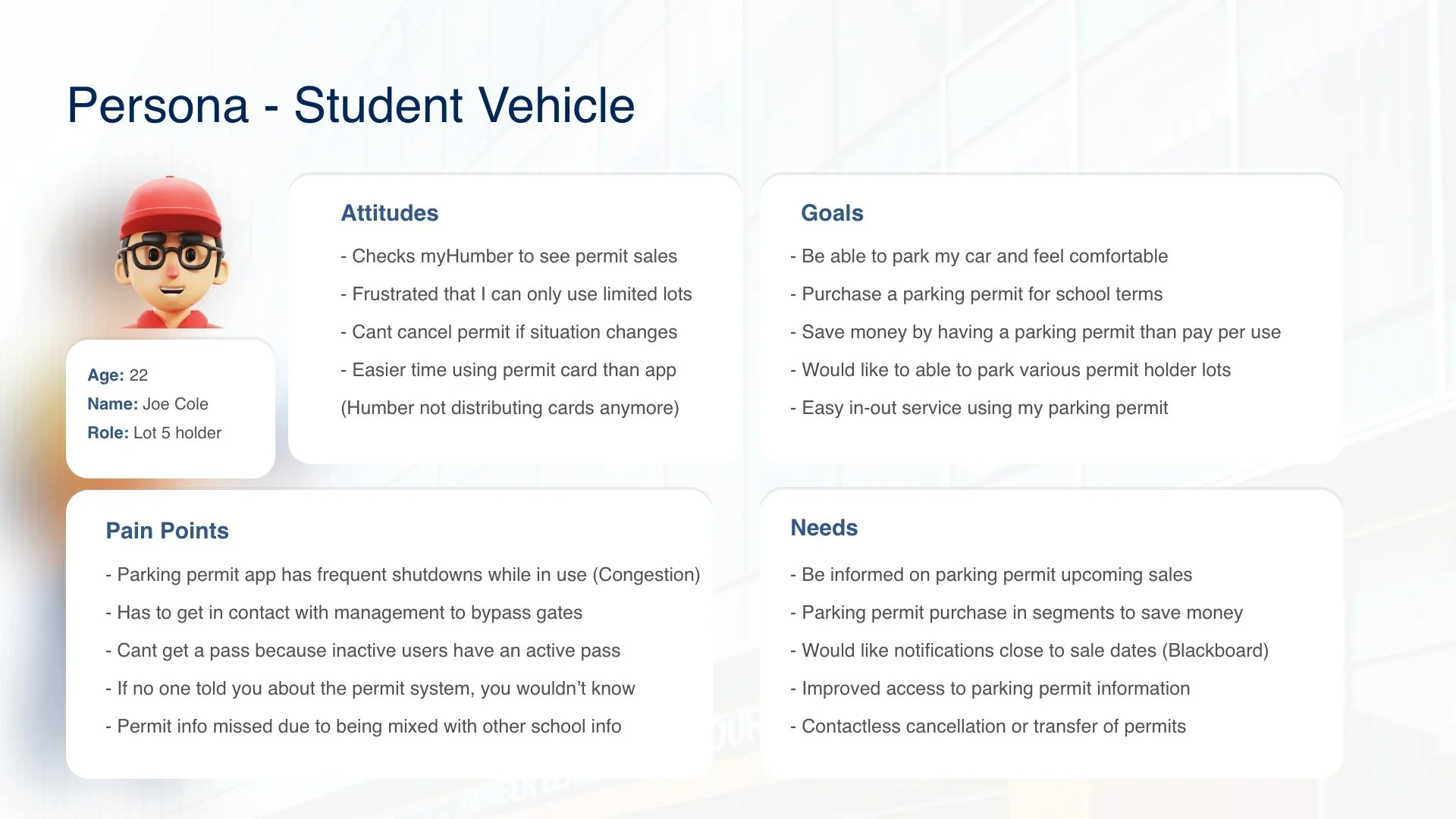
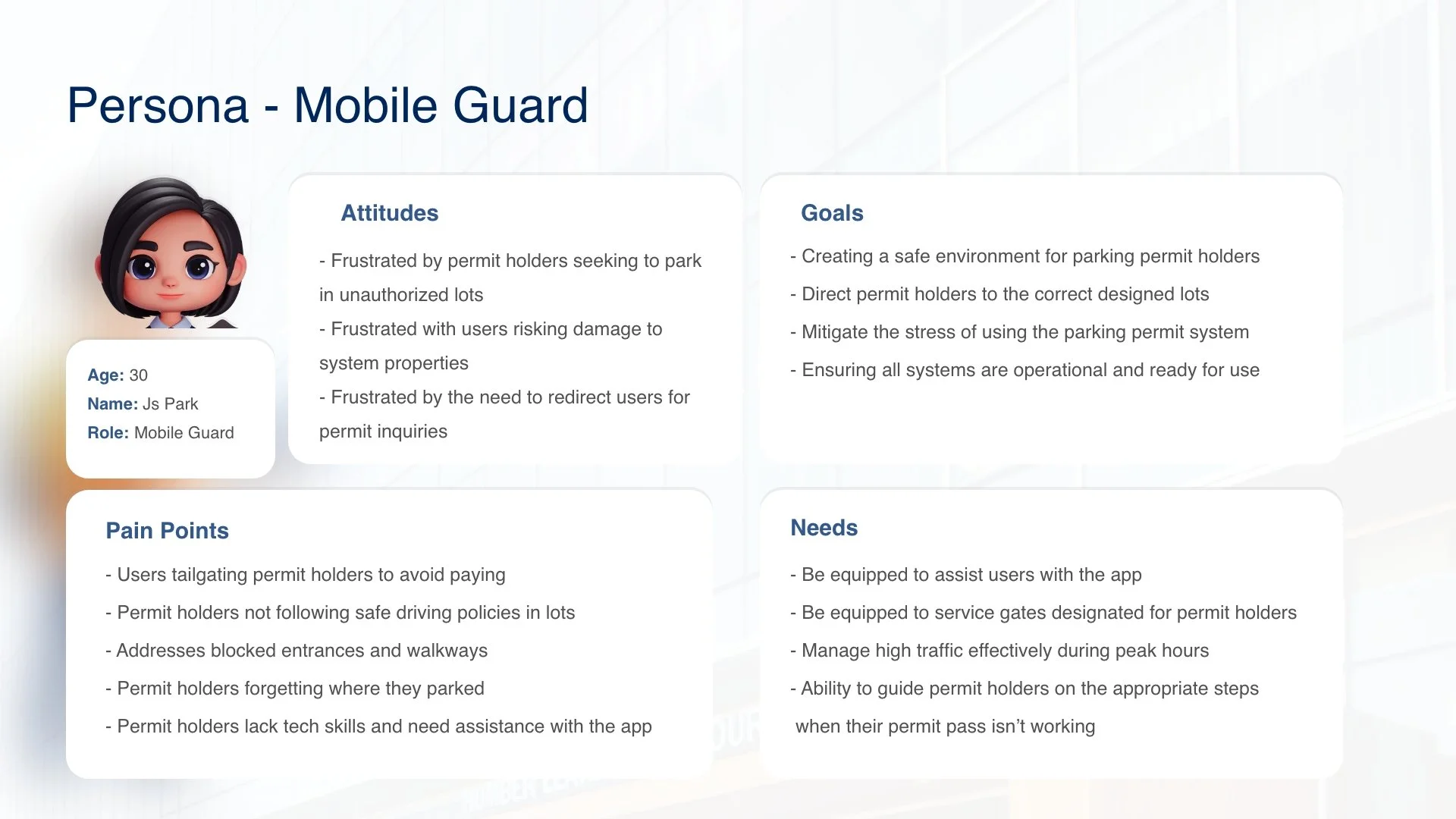
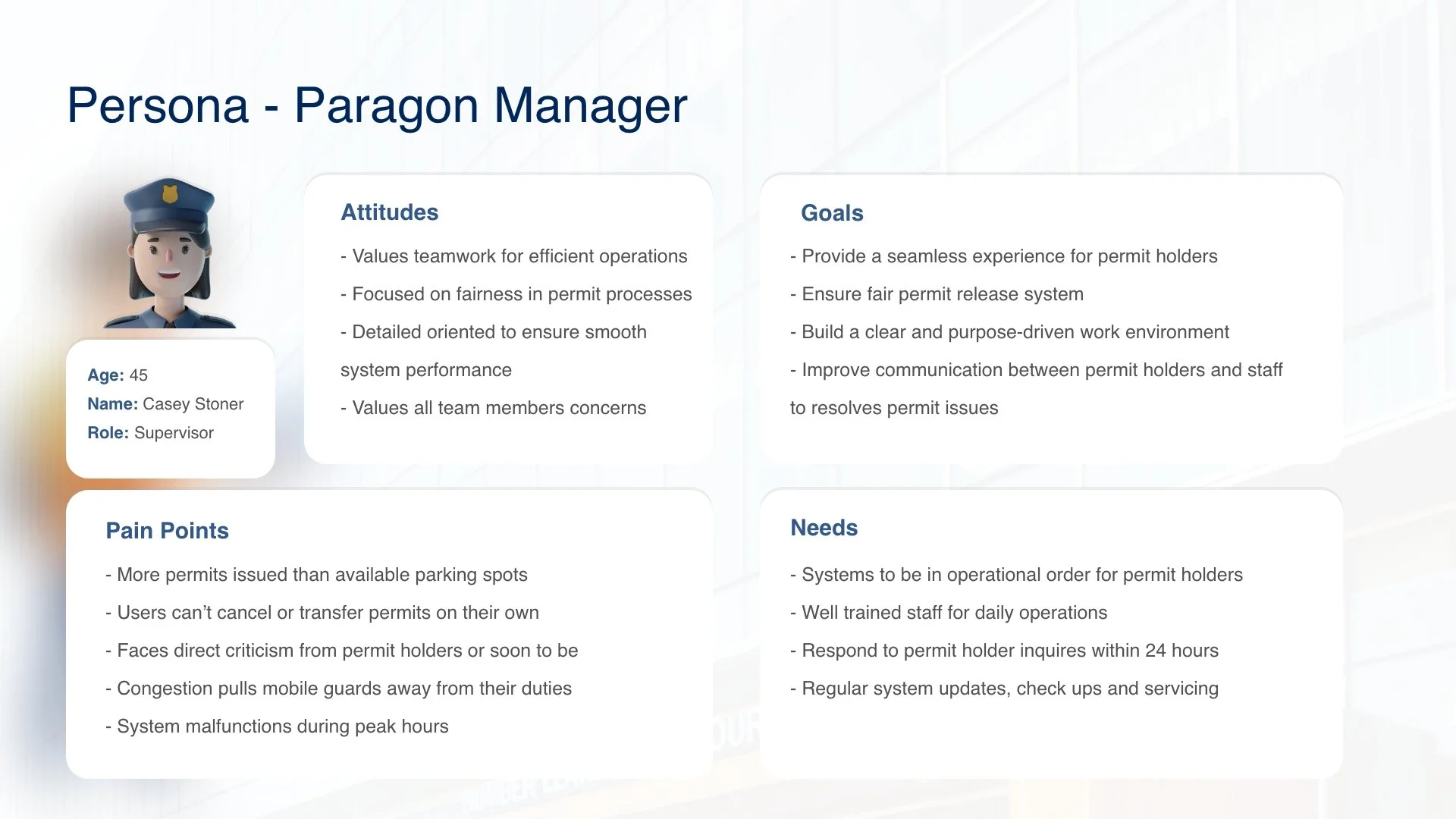
I synthesized the findings into three main personas from the front end, middle end and back end, capturing their demographics, goals, needs and behaviours
What Does the Users’ Journey Look Like?
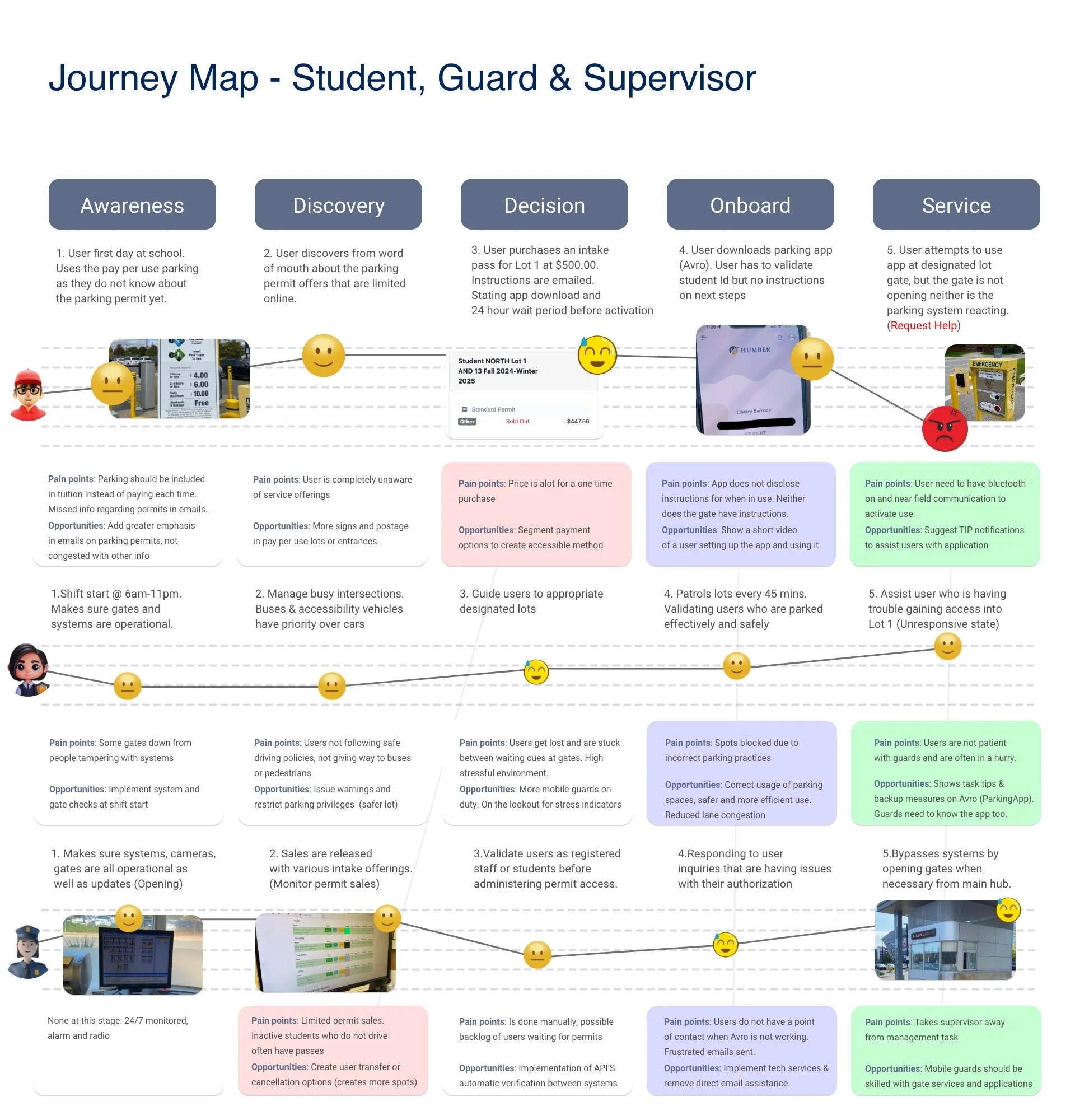
I created journey map containing each persona, using insights from the service audit and interviews to better understand their interactions and needs
Ideating Potential Solutions
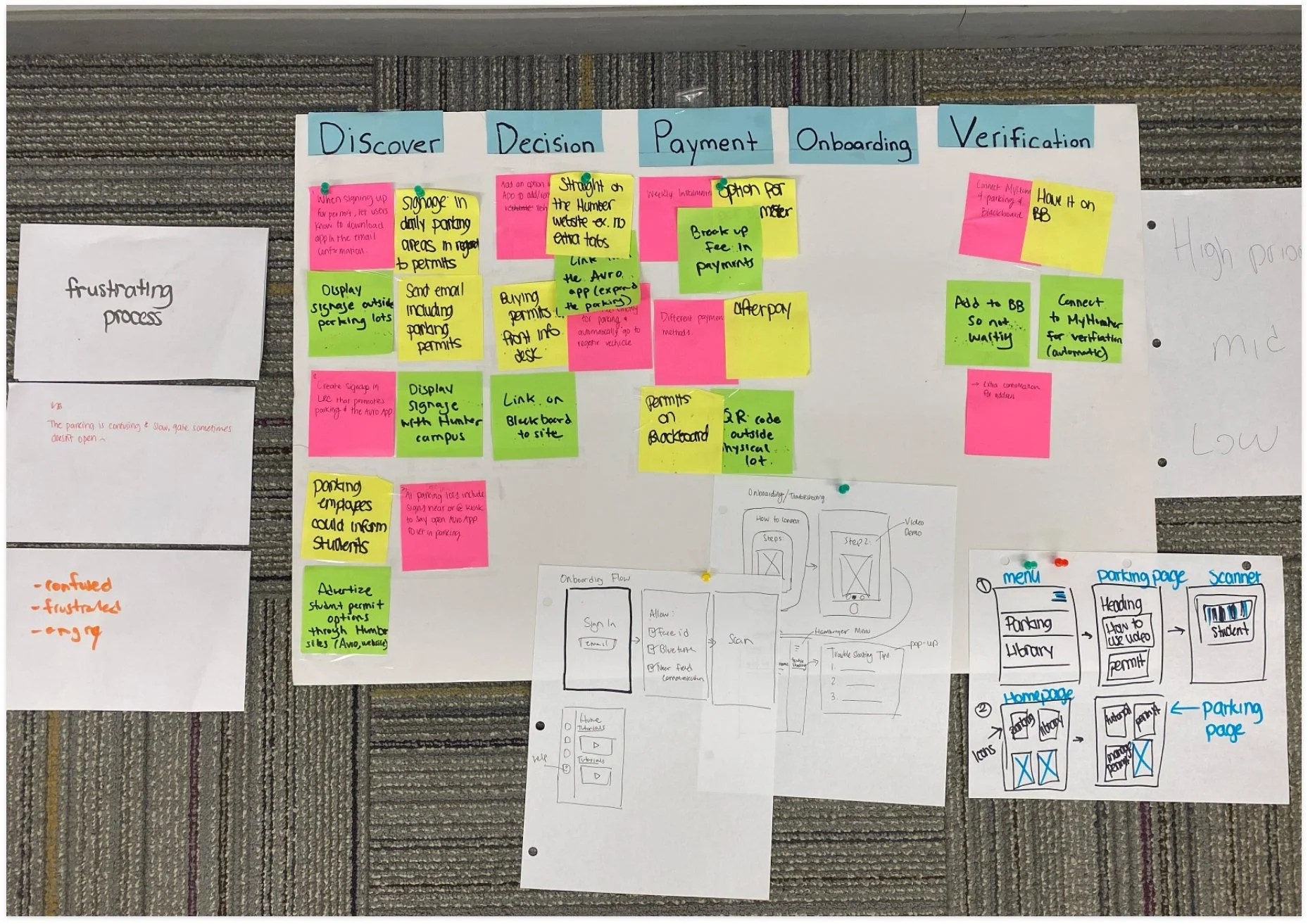
I used these findings to conduct a co-creation workshop aimed at brainstorming potential solutions. The workshop focused on addressing two key issues with the greatest impact.
Acquiring and becoming aware of permits
Student & Faculty permit usage
Workshop Outputs
To generate ideas we utilized group prioritization, recognizing not all ideas can be implemented. Prioritizing by value helps us build a stronger foundation for an improved customer journey in acquiring and using permits.
How Does the Service Interconnect?
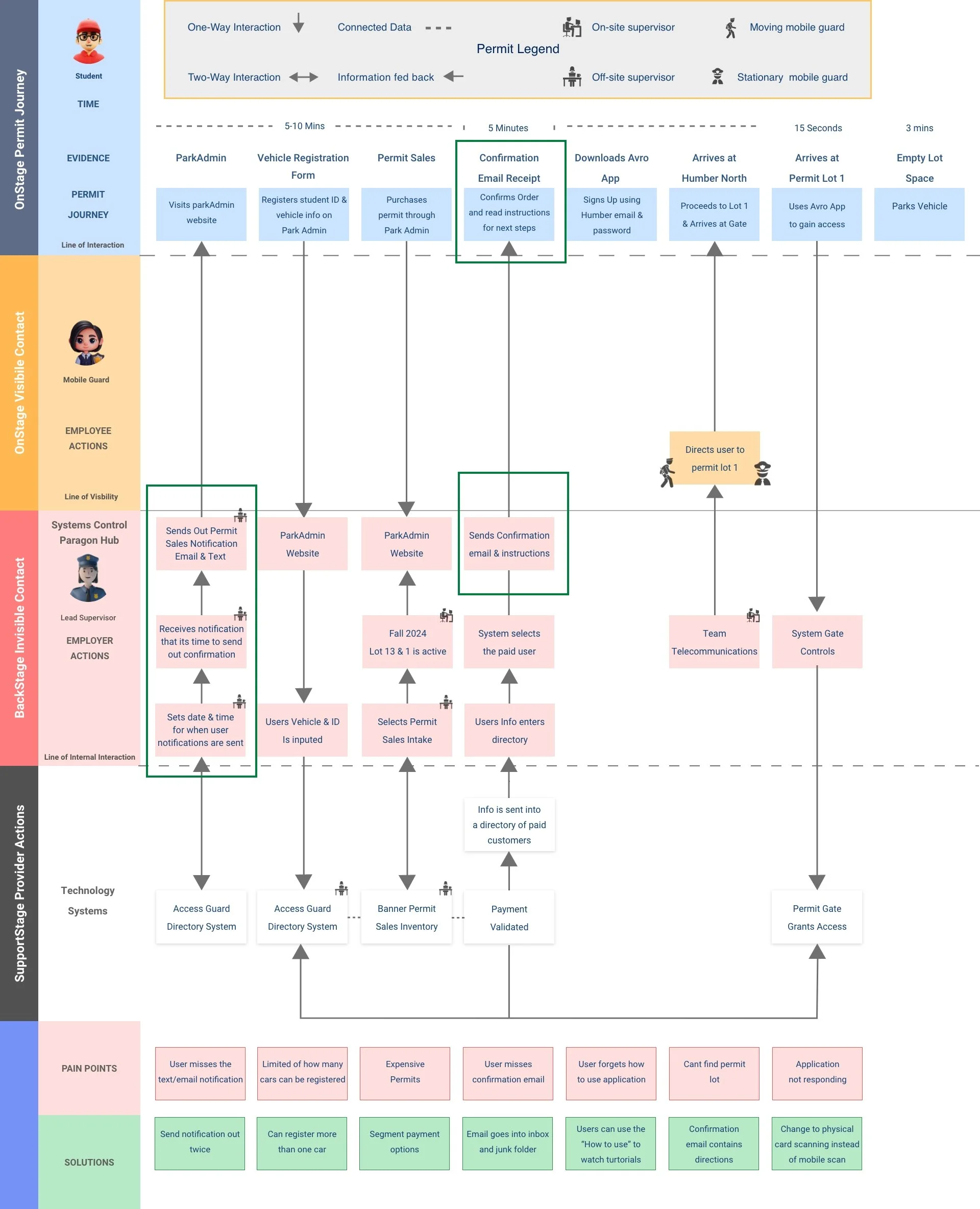
Next, I created a service blueprint of the current permit acquisition system by integrating all three journeys, mapping the interactions, touch-points, support processes, and solutions.
Within the service blueprint, I implemented 3 key solutions
Sales Alerts: Timely notifications via email or mobile
Flexible Payment Plans, instructions & permit transfers
Seamless Entry: Barcode for contactless entry
THE DELIVERABLES
The new experience acquiring a parking permit and using it
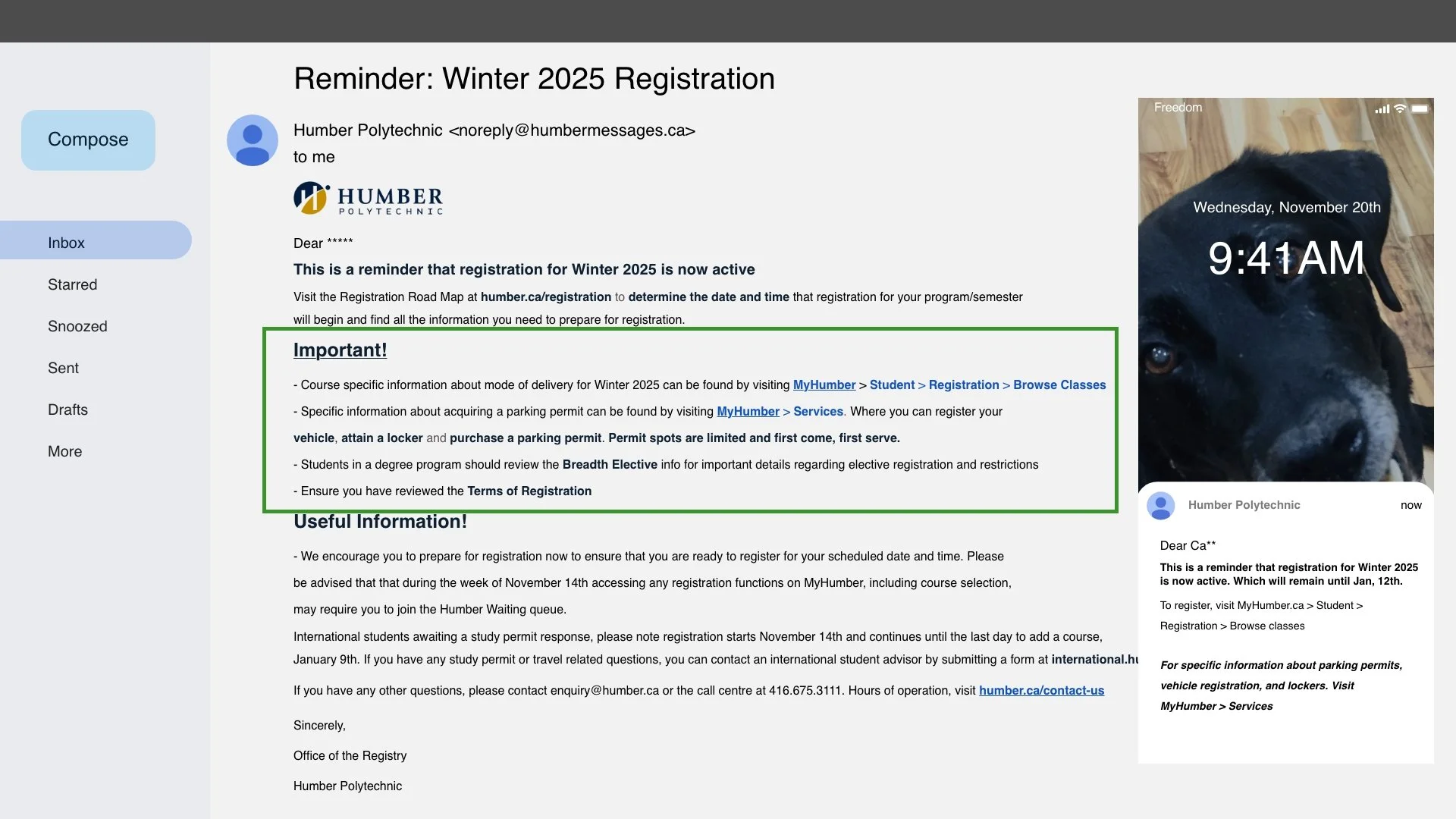
Solution
A notification system integrated with registration, ensuring all students and staff receive updates on permit options
Why does this matter?
Reduces confusion around permit availability and deadlines
Improves communication and awareness across campus
Solution
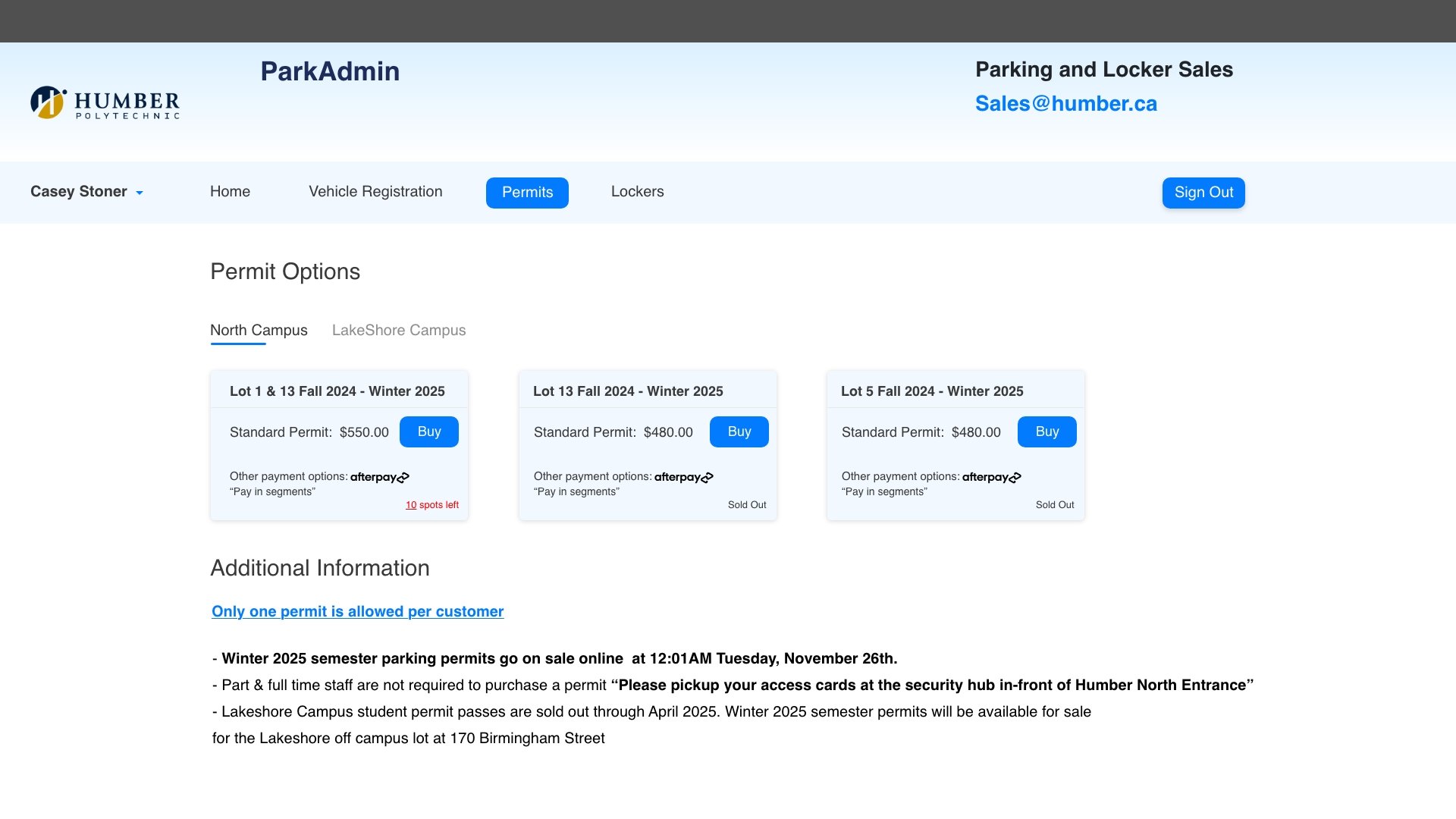
Flexible payment plans to reduce upfront cost, mandatory listing of all lots, and real time updates on available passes
Why does this matter?
Considers all faculty members
Enhanced clarity of service offerings
Solution
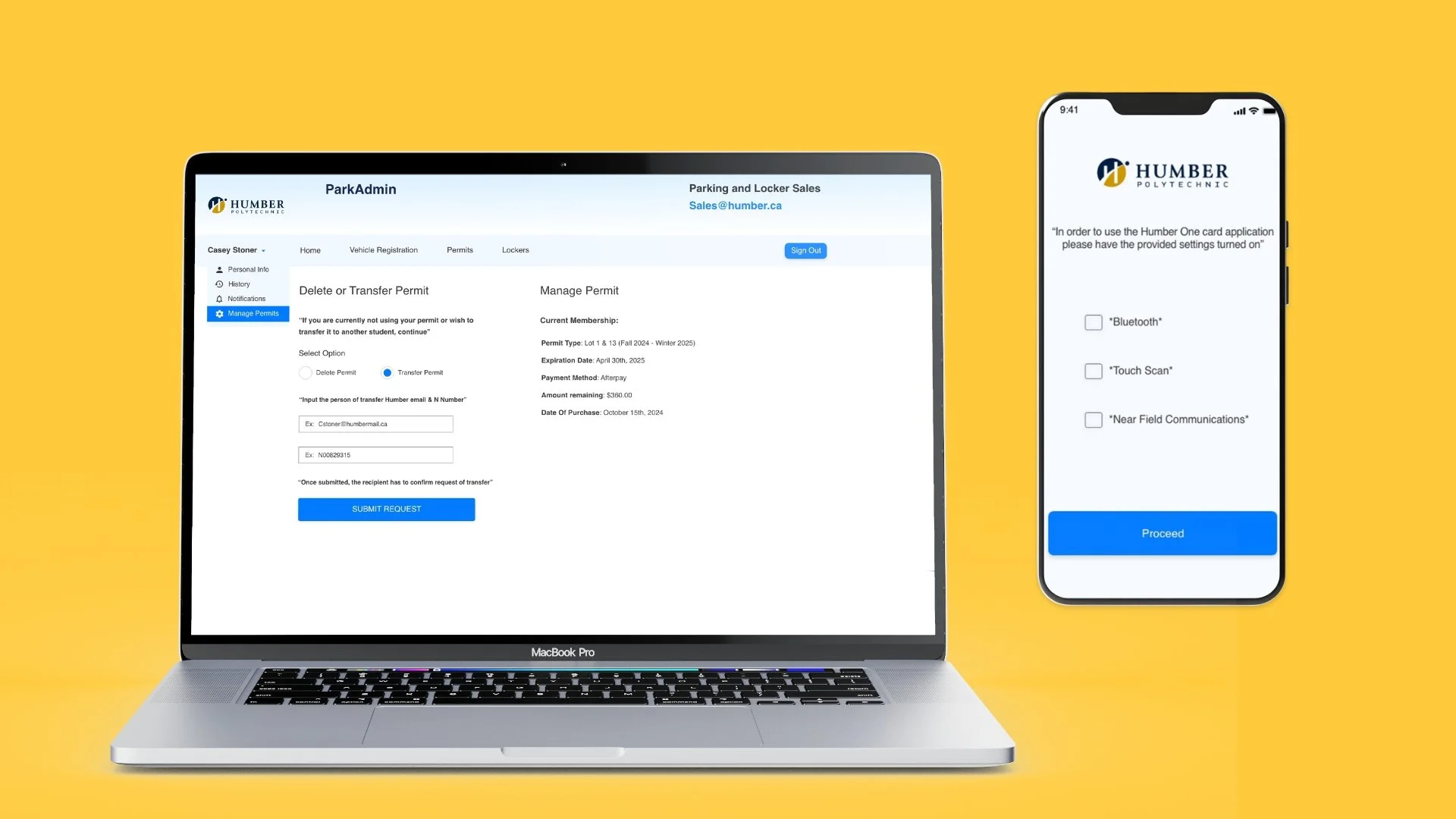
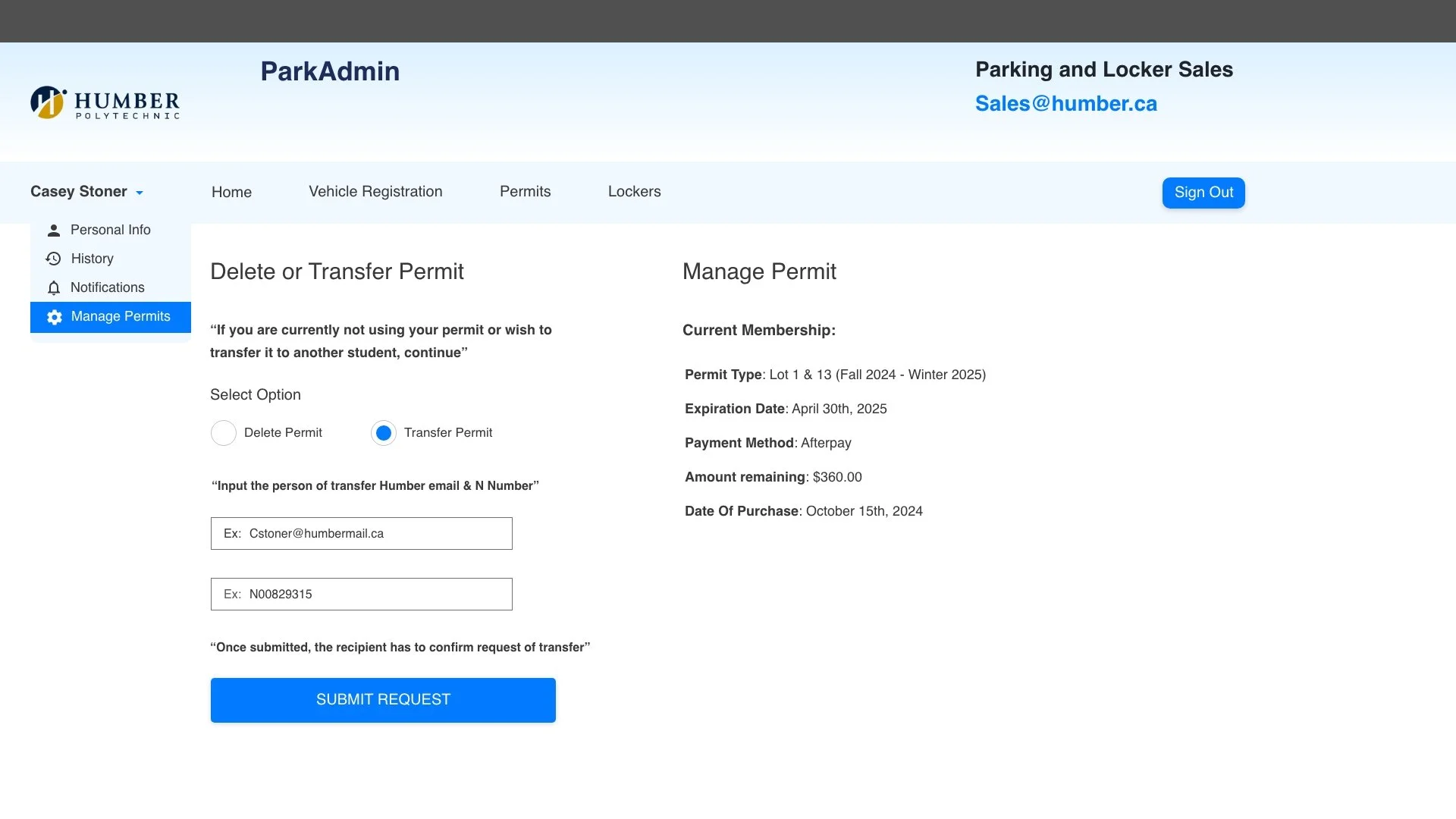
Enable students to easily deactivate or transfer permit to other Humber alumni
Why does this matter?
Prevents permits from going unused when students no longer need them
Gives students more flexibility and value from their permit purchase
Solution
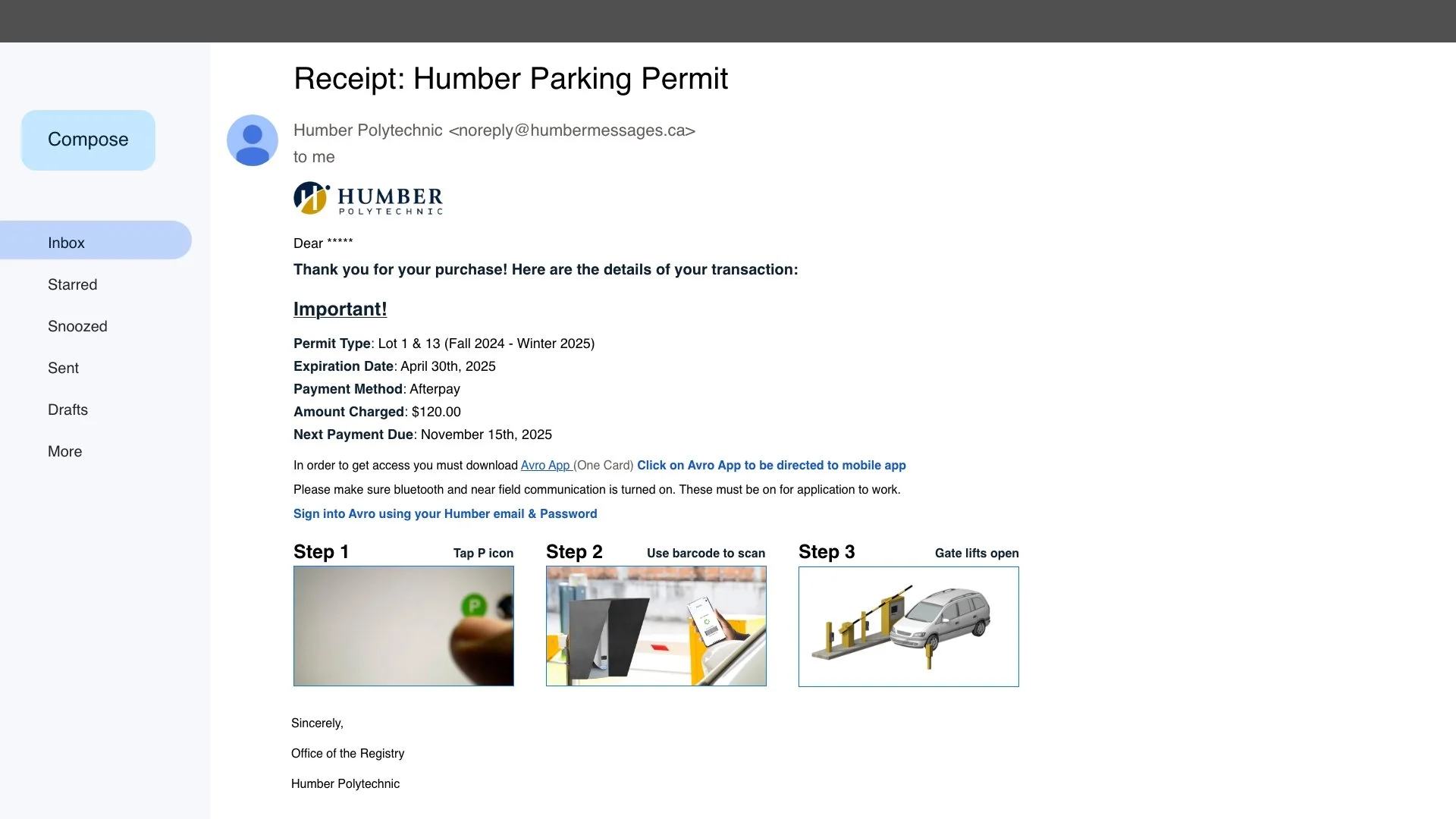
Detailed email confirmation with purchase details, link to the application, and step by step visuals for using the service
Why does this matter?
Helps users understand how to properly access and use the parking system
Reduces onboarding confusion and support requests for parking staff
Solution
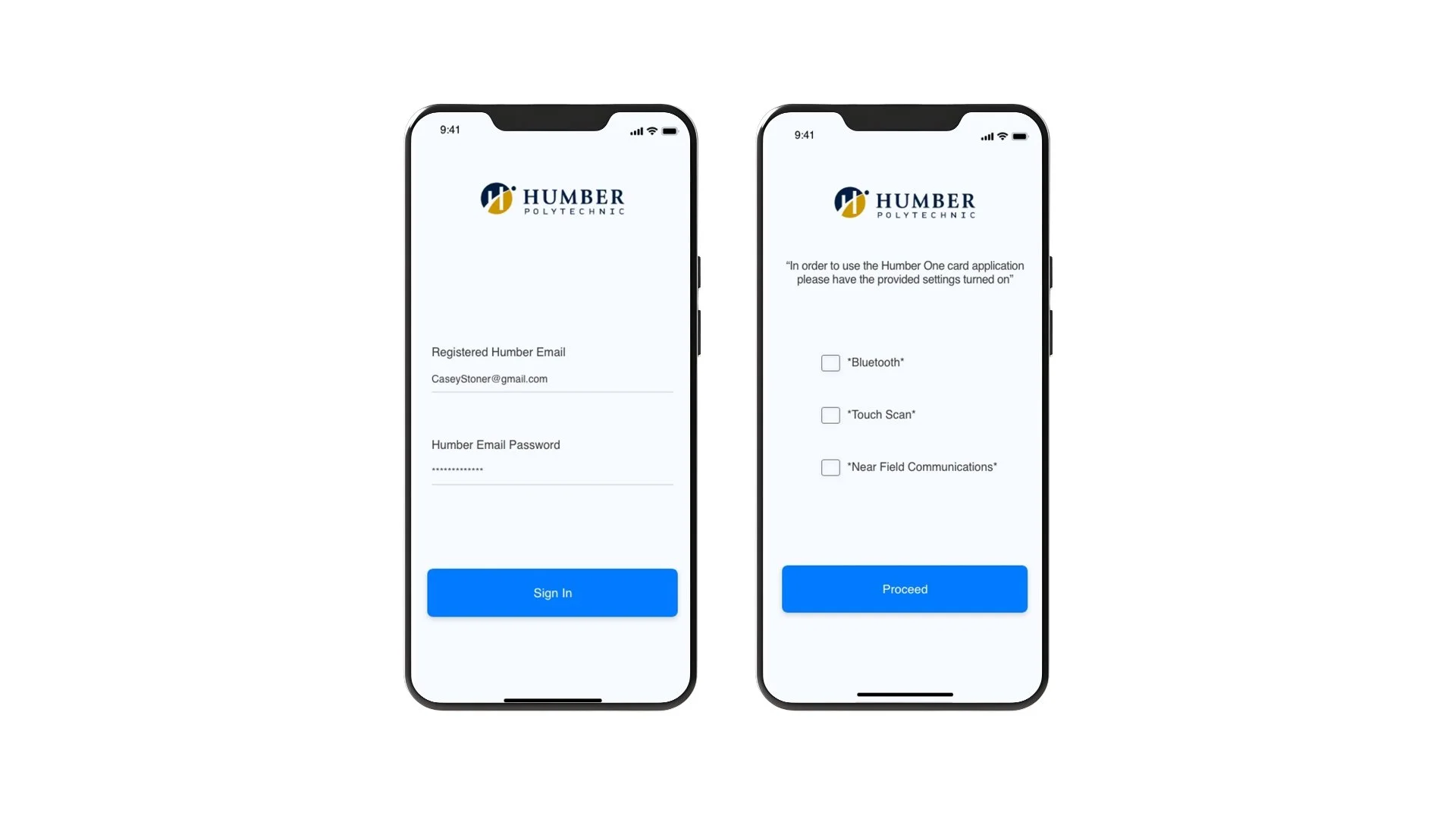
Upon onboarding necessary features are enabled to prevent access challenges
Why does this matter?
Prevents users from experiencing access issues when entering permitted lots
Creates a smoother and more reliable onboarding experience
Solution
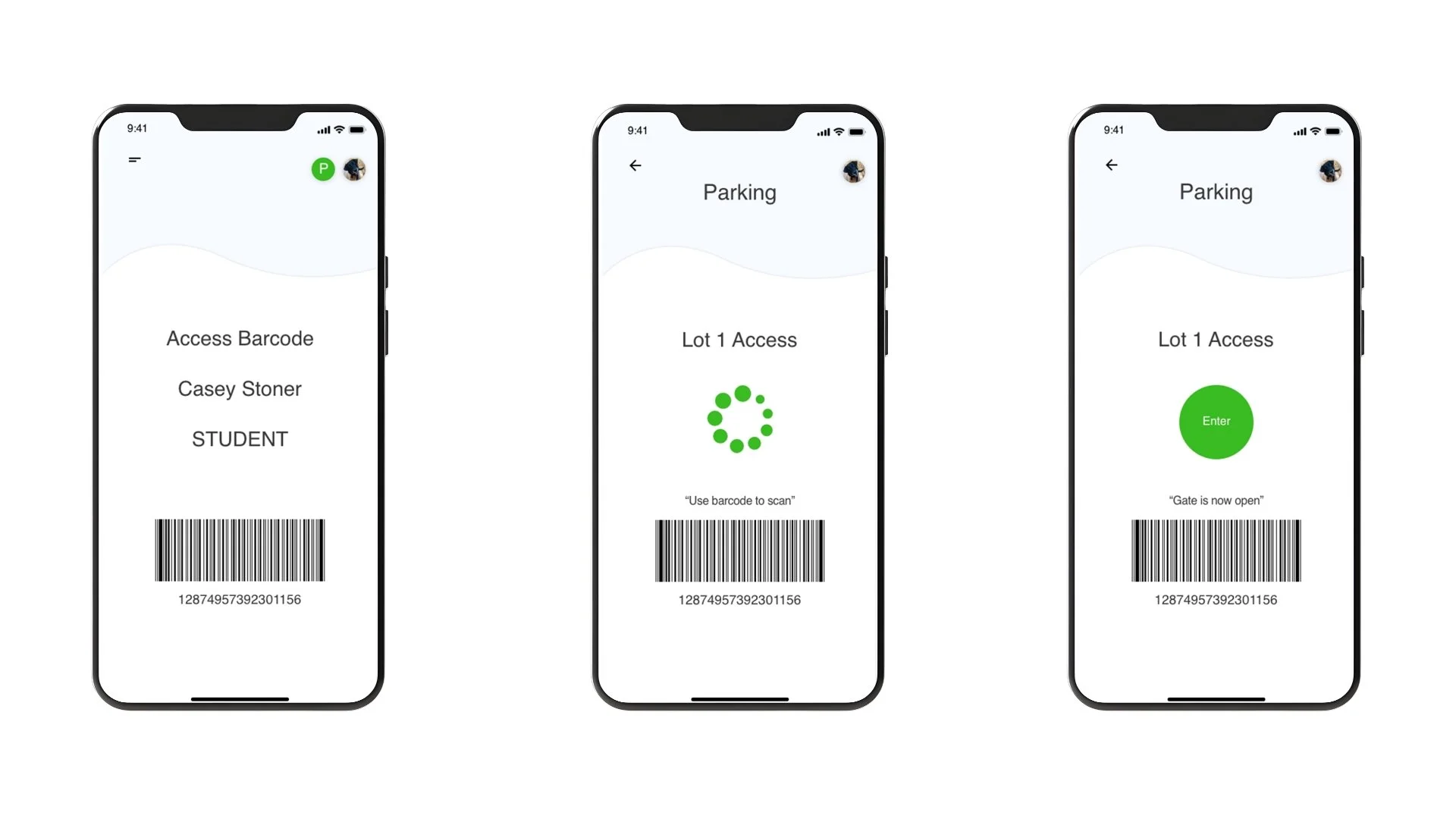
Progression status so when users are scanning their barcode, they know their efforts are recognized.
Why does this matter?
Gives users clear feedback that the system is working and their scan was successful
Reduces uncertainty and repeated scanning errors at entry points
Solution
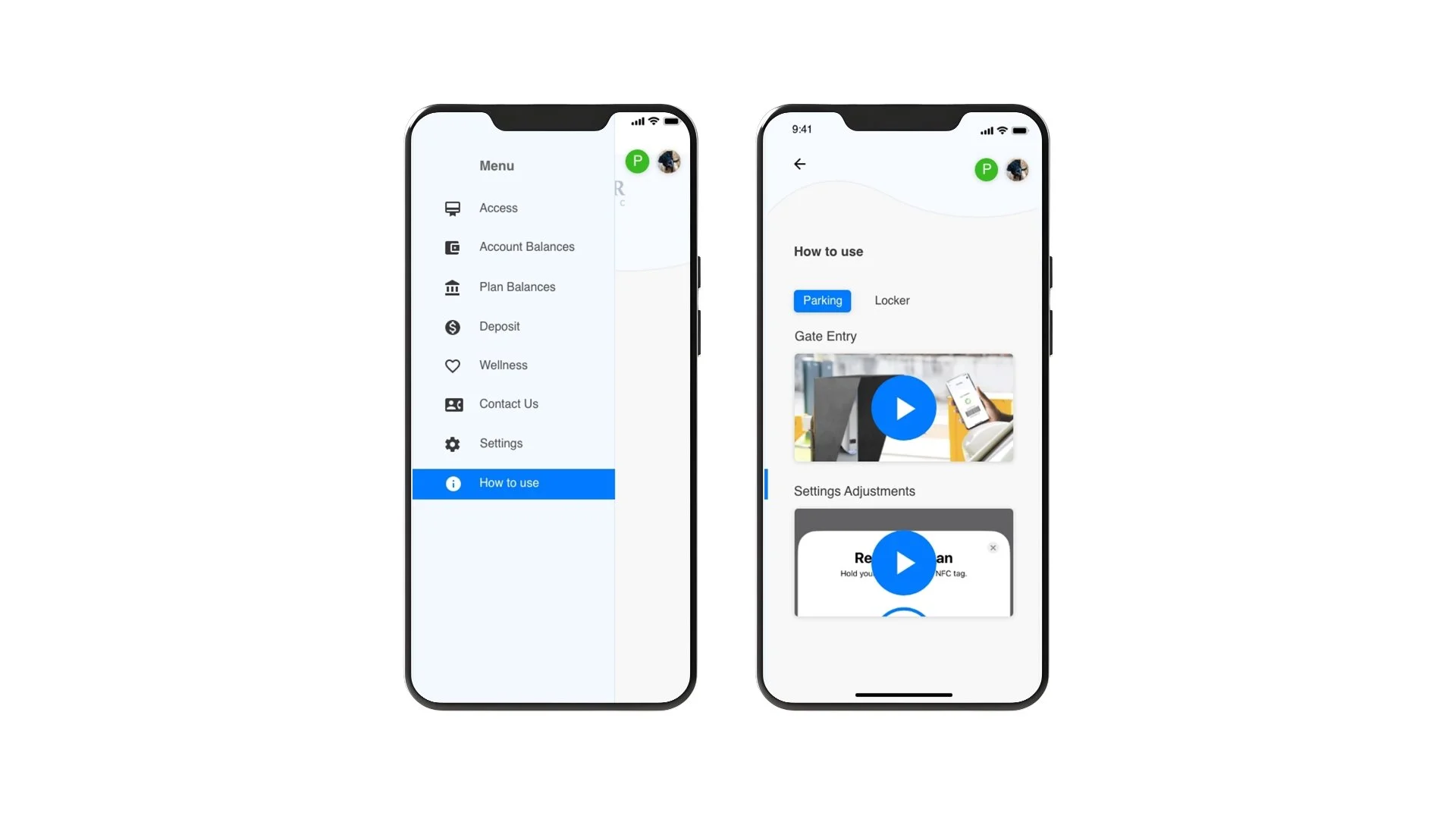
“How to Use” feature with short tutorial videos and recommended settings to ensure smooth app usage
Why does this matter?
Helps users quickly understand how to use the app correctly without confusion
Reduces setup and access errors by guiding users through proper settings and usage
Gaining Access
Business ImpactThis improves user efficiency and system usability by reducing confusion in high-traffic decision environments.
TAKEWAYS